

Second Floor Addition Permits & Structural Process in NY
Building a second floor addition is one of the most exciting transformations for any home. But before the framing goes up and the new space takes shape, there is a critical behind-the-scenes phase that determines the success of the entire project: the legal and structural planning. If you live in Long Island, specifically in towns like Williston Park, Mineola, or Garden City, you know that navigating local building codes can quickly become overwhelming for any homeowner.
The fear of zoning board rejections, hidden structural issues, or unpermitted work penalties is enough to make anyone second-guess a major renovation. However, understanding the exact steps required for approvals and safety testing gives you total peace of mind. By partnering with experienced design and construction professionals who handle the red tape for you, you ensure your investment is completely legal, structurally sound, and built to last a lifetime.
Table of Contents
1. From Schematic Design to Construction Documents
2. Structural Assessment and Load-Bearing Solutions
3. The Permit Application and Expediting Process
4. Inspections and the Final Certificate of Occupancy
Your Partner in Long Island Home Construction
1. From Schematic Design to Construction Documents
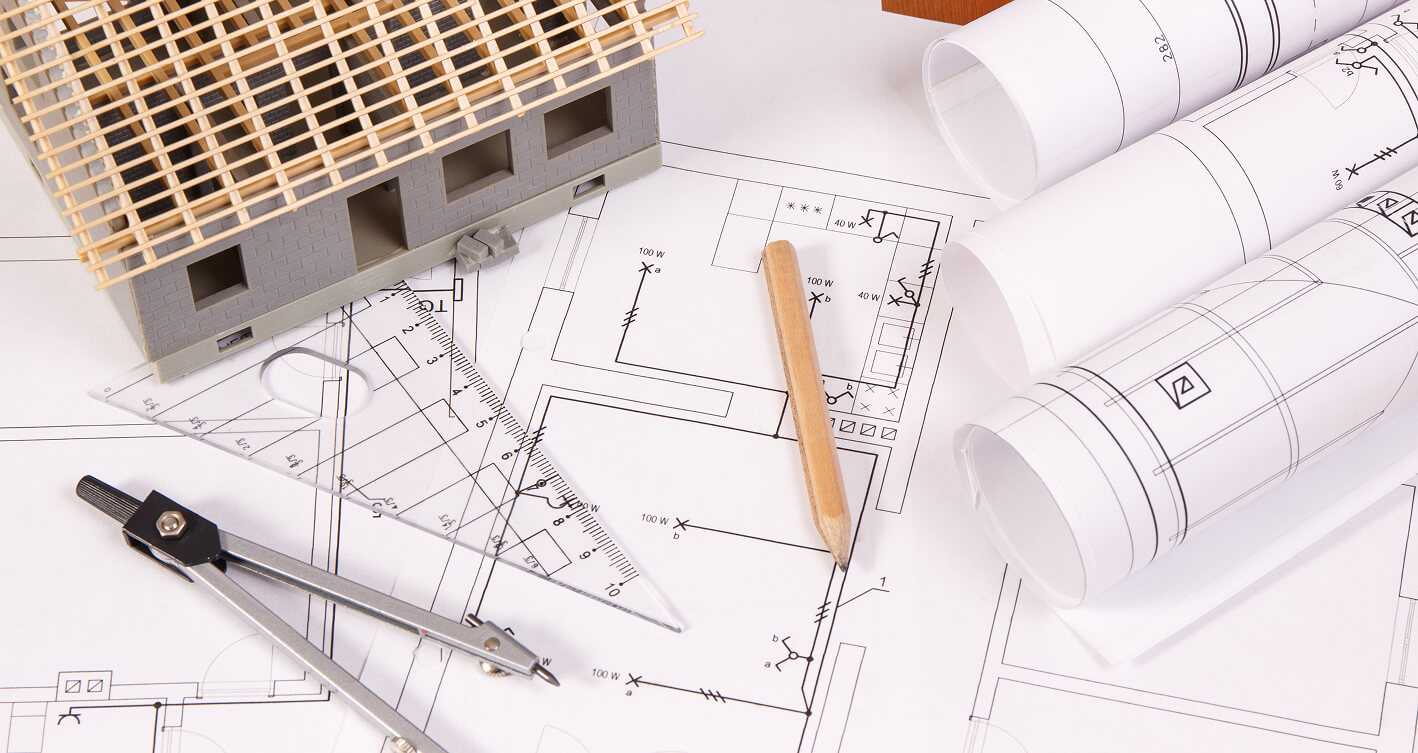
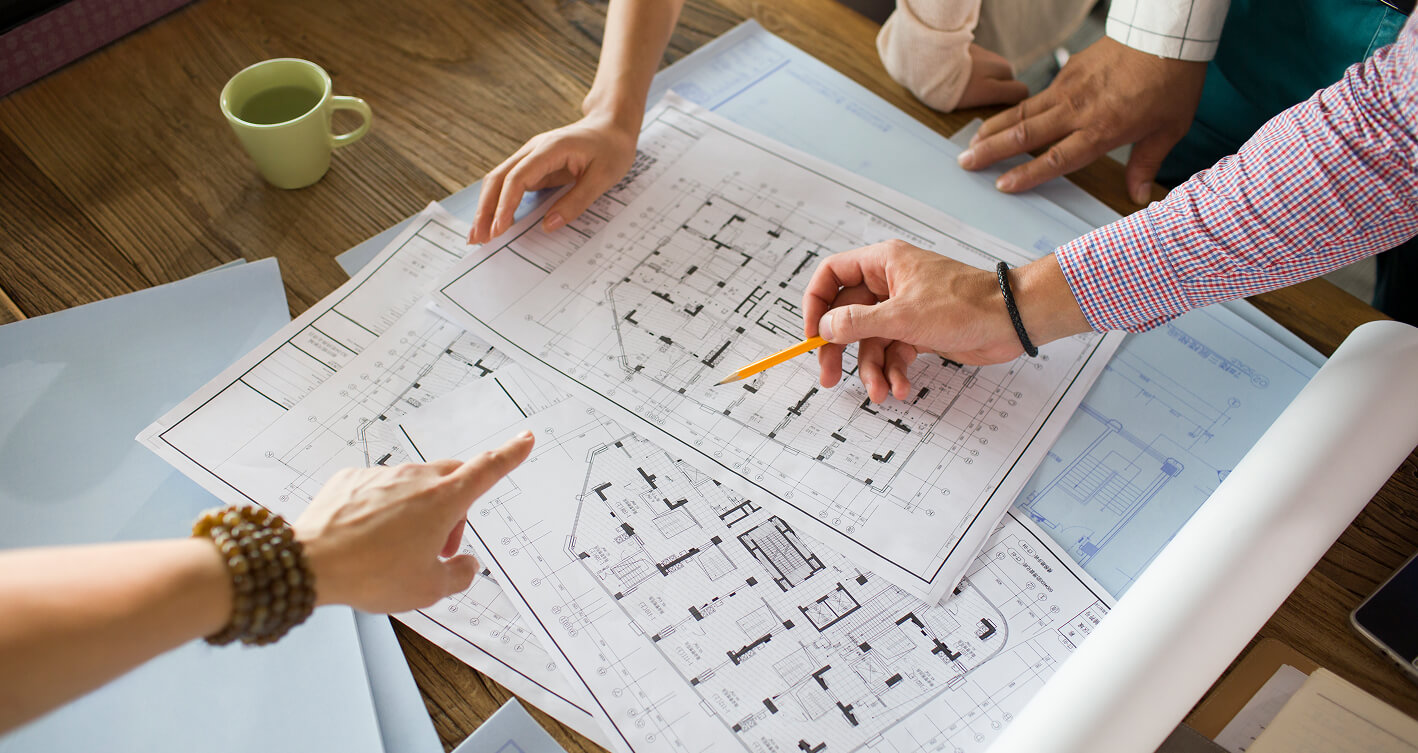
Every successful second floor addition begins with a clear vision, but that vision must be translated into technical data. The process starts with a Schematic Design—a preliminary layout presented to the homeowner to ensure the new space meets their specific needs and aesthetic desires. Once approved by you, this design evolves into Construction Documents. These are highly detailed blueprints submitted to your town’s building department. In areas like Williston Park or Mineola, zoning boards require these documents to prove exactly how the new structure will adhere to property lines, maximum height restrictions, and local codes to prevent costly redesigns.
2. Structural Assessment and Load-Bearing Solutions
Adding a second story requires a professional assessment of your home’s current framing, but it rarely involves massive disruptions to your existing foundation. For residential projects, an experienced construction professional or architect—rather than a heavy-duty structural engineer—typically evaluates the home. The standard procedure involves removing existing non-load-bearing walls on the first floor and inserting new supportive columns, or piers, directly into the ground level. This process ensures the first floor can safely carry the new load of the second story, keeping your family safe without overcomplicating the structural work.
3. The Permit Application and Expediting Process
Submitting the detailed construction documents to the building department is often where homeowners experience the most frustration due to bureaucratic delays. Permit expediting is the process of actively managing your application through the town’s system. When examiners have technical questions, your dedicated design professional steps in to answer them and make rapid adjustments if requested. Having a local team that already knows the specific requirements of Nassau County municipalities means your permits are approved much faster, allowing you to break ground without unnecessary delays.

4. Inspections and the Final Certificate of Occupancy
Securing the initial permit is just the beginning of the legal process. Throughout the construction of your second floor, town inspectors will visit the site at specific milestones to verify the framing, plumbing, and electrical work. They ensure everything matches the approved plans and meets current safety codes. Once the addition is fully completed and passes the final inspection, the town issues a Certificate of Occupancy (CO). This legal document proves your new space is completely compliant, which is absolutely vital for your homeowners insurance and the future resale value of your property.

Ready to Expand Your Living Space?
Embarking on a second floor addition does not have to be an anxiety-inducing experience filled with legal hurdles and structural doubts. By understanding the permit process and relying on a team that handles the architectural drafting, engineering, and town expediting in-house, you can focus on the exciting parts of your home’s transformation.
You deserve the peace of mind that comes from knowing your expanded Long Island home is built safely, legally, and to the highest industry standards.