

How Much Does a Second Floor Addition Cost in Nassau County? (2026 Guide)
The real estate market in Nassau County is incredibly tight right now. If your family is outgrowing your current home in premium areas like Garden City, Great Neck, or Williston Park, you have likely looked at your options. Moving to a larger house often means dealing with high mortgage rates, intense bidding wars, and the massive logistical headache of relocating your entire life away from the neighborhood you love.
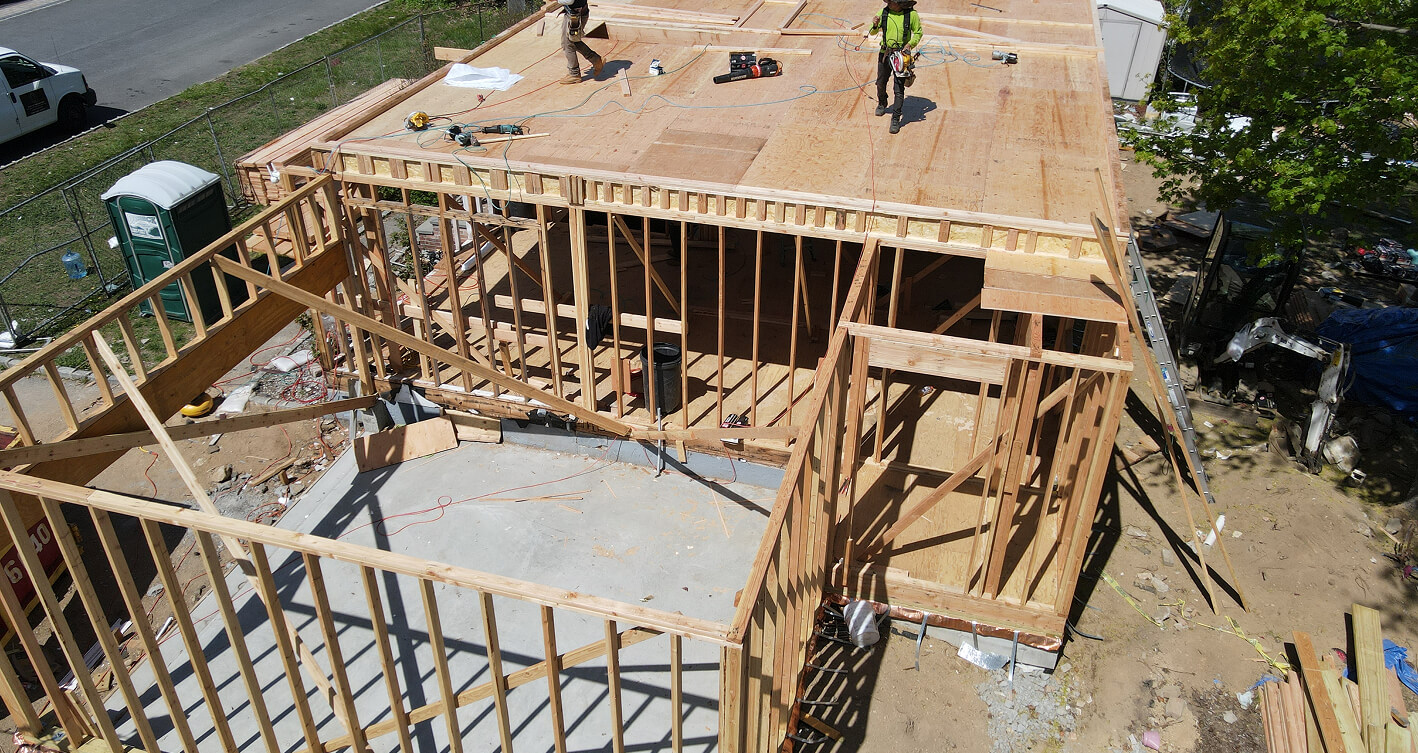
Instead of moving, building upward with a custom second floor addition has become the smartest financial decision for local homeowners. A recent project we completed in West Babylon perfectly highlights this trend: a family managed to double their living space, adding a full master suite and extra bedrooms, without sacrificing a single square inch of their beautiful backyard or leaving their community.
Table of Contents
1. Understanding Foundation & Structural Requirements
2. Framing, Roofing, and Weatherproofing Costs
3. Plumbing, Electrical, and HVAC Upgrades
4. Interior Finishes and Return on Investment (ROI)
Your Partner in Long Island Home Construction
1. Understanding Foundation & Structural Requirements
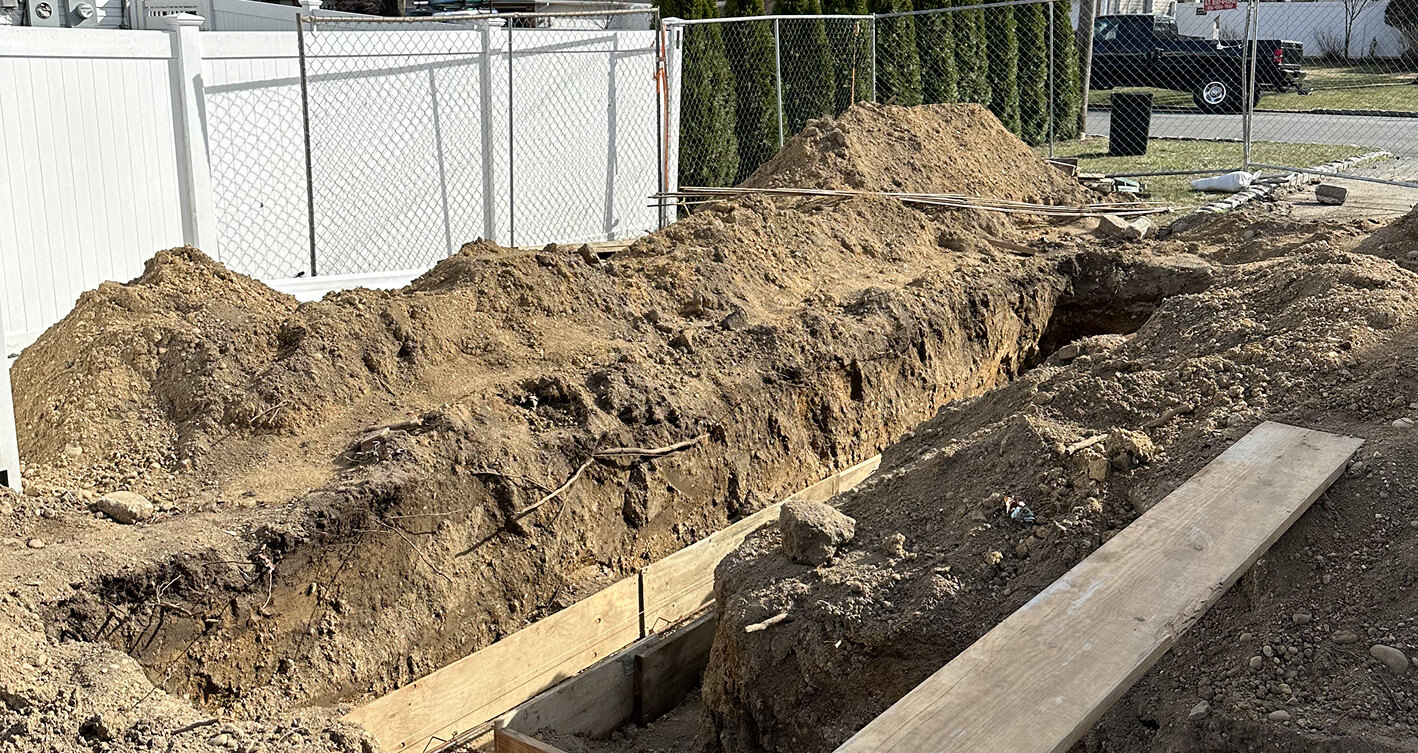
You cannot safely put thousands of pounds of new weight on a structure that was not originally designed to support it. Before a single piece of lumber arrives at your property in Mineola or Kings Park, a structural engineer must thoroughly evaluate your existing foundation and first-floor framing. If your home requires structural reinforcements or underpinning to safely bear the load of a new level, this assessment and groundwork will be your very first critical investment.
2. Framing, Roofing, and Weatherproofing Costs
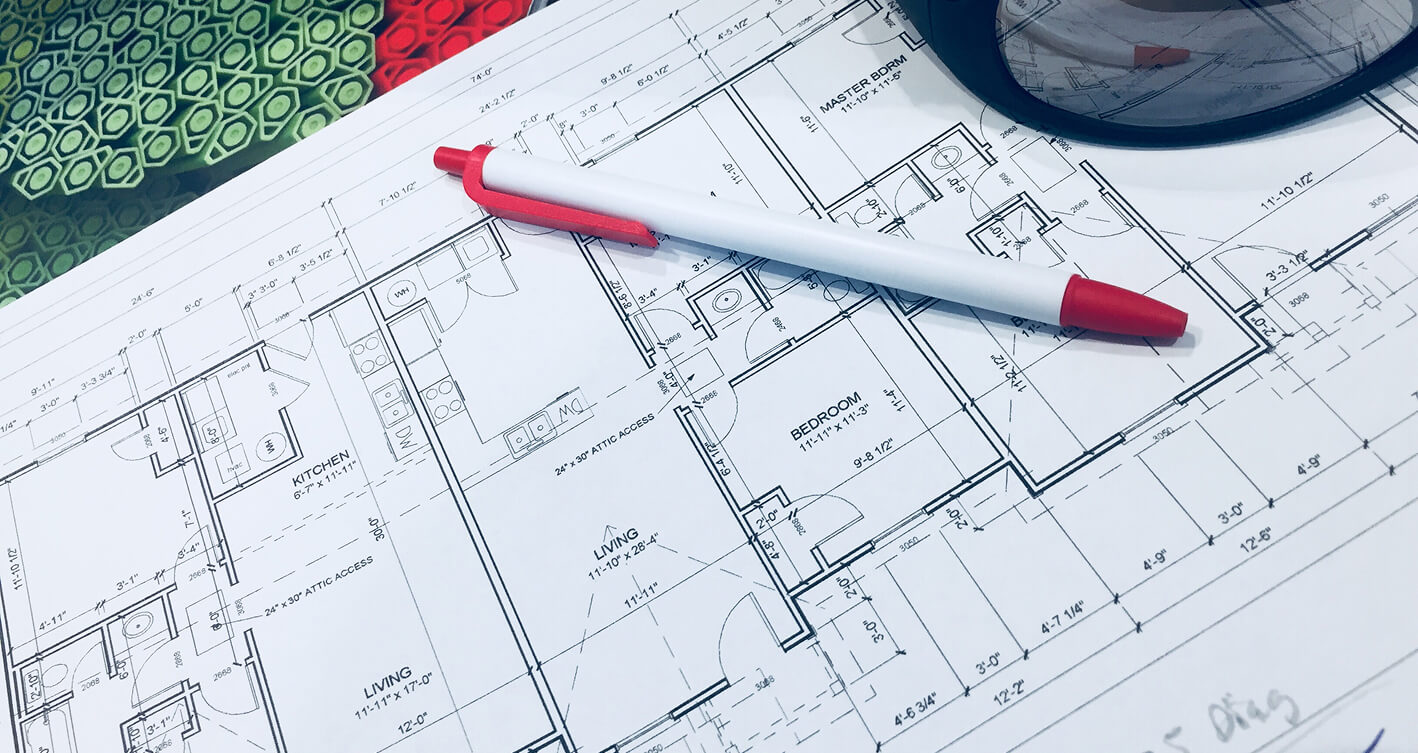
This is the phase where your home physically transforms, as the old roof is completely removed to construct the new vertical walls. The overall complexity of your new architectural roofline and the total square footage of the addition dictate a massive portion of this specific budget. A significant part of the cost also goes into the specialized labor required to frame the new structure quickly and seal it tightly against the unpredictable New York weather elements.
3. Plumbing, Electrical, and HVAC Upgrades
Adding a second floor usually means adding at least one new bathroom or a dedicated laundry room, which requires extending your main plumbing lines up from the basement or crawl space. Additionally, your home’s electrical panel must be updated to handle the new living space under modern safety codes. You will also need to modify your HVAC system—often by adding a highly efficient ductless mini-split system—to ensure the new level stays perfectly cool in the summer and warm in the winter.
4. Interior Finishes and Return on Investment (ROI)
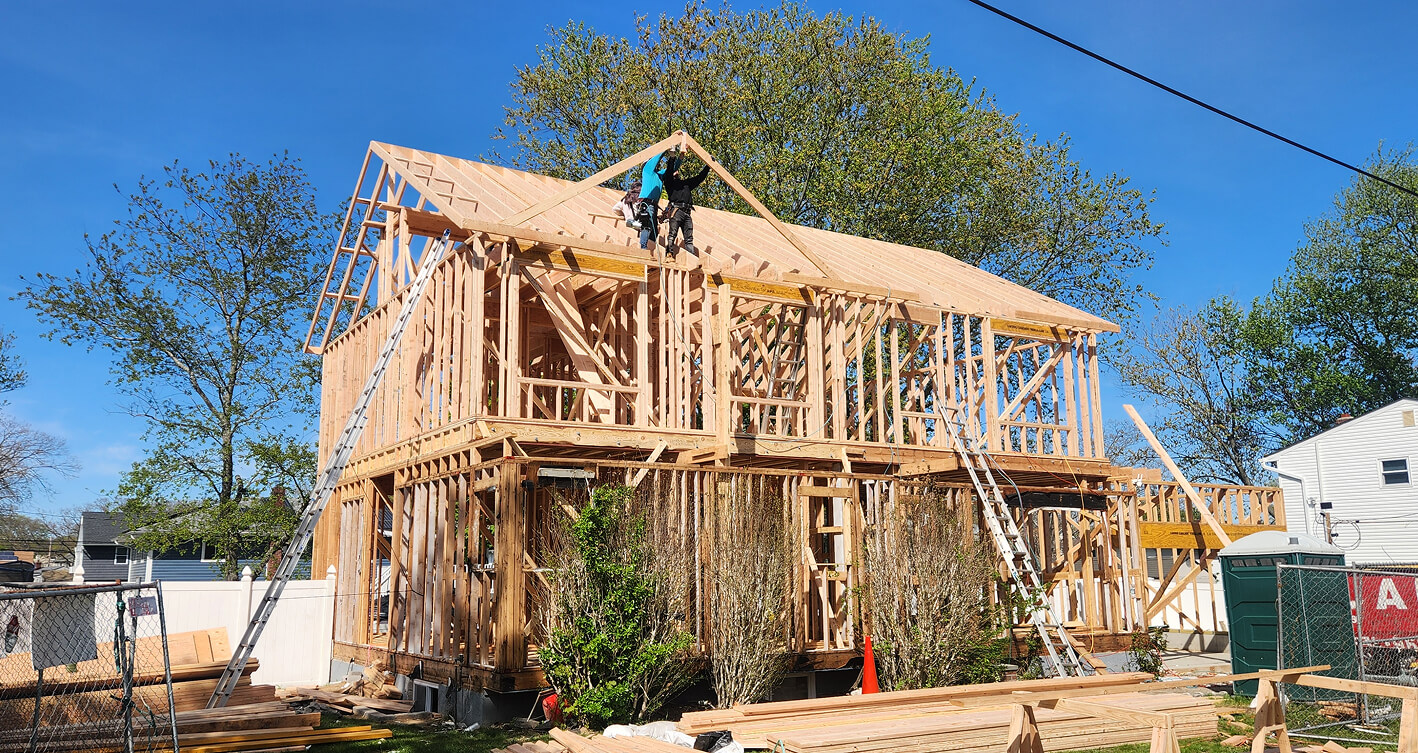
This final stage is where you maintain the highest level of control over the overall budget. Your choice of materials—such as custom tile showers versus standard inserts, or luxury hardwood versus laminate flooring—will directly shift the final investment numbers. Ultimately, when you calculate the real estate fees, closing costs, and moving expenses you avoid by staying put, investing in your own property drastically increases its long-term market value while providing a space tailored entirely to your lifestyle.
Ready to Expand Your Living Space?
Deciding to build a second floor is a major commitment, but it is also one of the most rewarding investments you can make for your family’s future. You do not have to navigate town permits, structural engineering, or confusing construction budgets alone.
At TCR Builders, we specialize in taking the stress out of major home expansions, handling everything from the first architectural blueprint to the final coat of paint. Stop scrolling through expensive real estate listings and start envisioning the true potential of the house you already own. If you love your Long Island neighborhood but simply need more room to breathe, let’s explore what is structurally possible for your property.