Affordable House Extension Contractors in Long Island
Let’s be brutally honest: building a home addition is a major financial commitment. When homeowners start their research for a construction partner, they are usually trying to avoid being overcharged. However, in the construction industry, hiring the absolute cheapest bidder often leads to a nightmare of hidden fees, unfinished work, and failed municipal inspections.
At TCR Builders, we understand that “affordable” shouldn’t mean cutting corners. True affordability means getting a transparent, rock-solid estimate from the start, so your project is completed on time and strictly within your budget. If you are looking for reliable builders for house extension projects across Nassau and Suffolk Counties, understanding how to maximize your investment without sacrificing quality is your first step.
Table of Contents
1. The Reality of “Cheap” vs. “Affordable” Construction
2. Types of High-Value Extensions for Your Budget
3. How to Choose Reliable Builders for a House Extension
4. Partnering for a Transparent Build
Your Partner in Long Island Home Construction
1. The Reality of “Cheap” vs. “Affordable” Construction
Many contractors will throw out a lowball number over the phone just to secure your signature. Once the walls are open, suddenly there are “unforeseen costs” for plumbing, structural reinforcements, or basic permits.
A genuinely affordable contractor protects your wallet by providing:
– Comprehensive On-Site Evaluations: We never guess. We inspect your current structure to give you an exact number before a single tool is lifted.
– Permit Management: A cheap contractor will ask you to pull the permits yourself. A professional handles the bureaucratic red tape in Nassau and Suffolk Counties directly.
– Single Point of Contact: Managing design and construction under one roof prevents miscommunication and costly delays.
2. Types of High-Value Extensions for Your Budget
Certain types of additions yield a higher return on investment and can be engineered to fit reasonable budgets. Based on the local market demands across Long Island, focusing on practical structural changes delivers the best craftsmanship for your dollar:
– Mother-Daughter Extensions & In-Law Suites: Adding independent living spaces is one of the most popular and value-driven projects in the area.
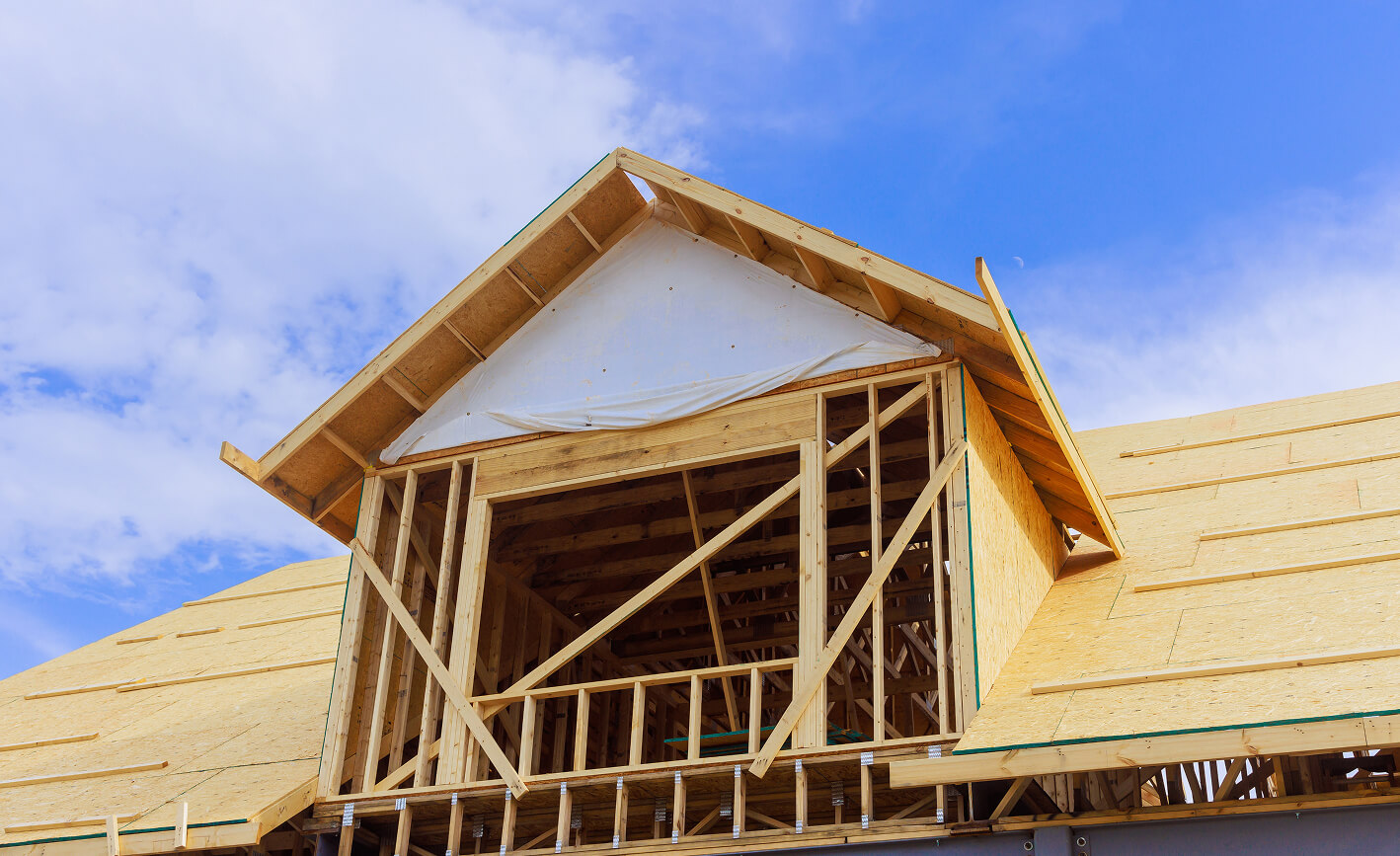
– Second-Story Additions & Dormers: Expanding upward rather than outward can sometimes save you the heavy costs of pouring a new concrete foundation.
Kitchen and Bathroom Bump-Outs:
– Expanding your core wet rooms by just a few feet can completely transform the flow of your home without the price tag of a full-scale wing addition.
3. How to Choose Reliable Builders for a House Extension
Finding a contractor who respects your budget requires asking the right questions before any paperwork is signed. Keep these non-negotiable standards in mind when vetting your options:
– Demand Local Licensing: Only work with builders fully licensed and insured specifically for your local Long Island municipality.
– Look for Transparent Communication: Your contractor should be able to explain the construction phases in plain English, avoiding confusing industry jargon that obscures costs.
– Review Real Timelines: An affordable project is one that finishes on schedule. Ask for a clear breakdown of the weeks required for framing, electrical, plumbing, and finishing touches.
– Avoid Large Cash Deposits: Beware of any builder asking for a massive upfront cash payment before materials are even delivered.
4. Partnering for a Transparent Build
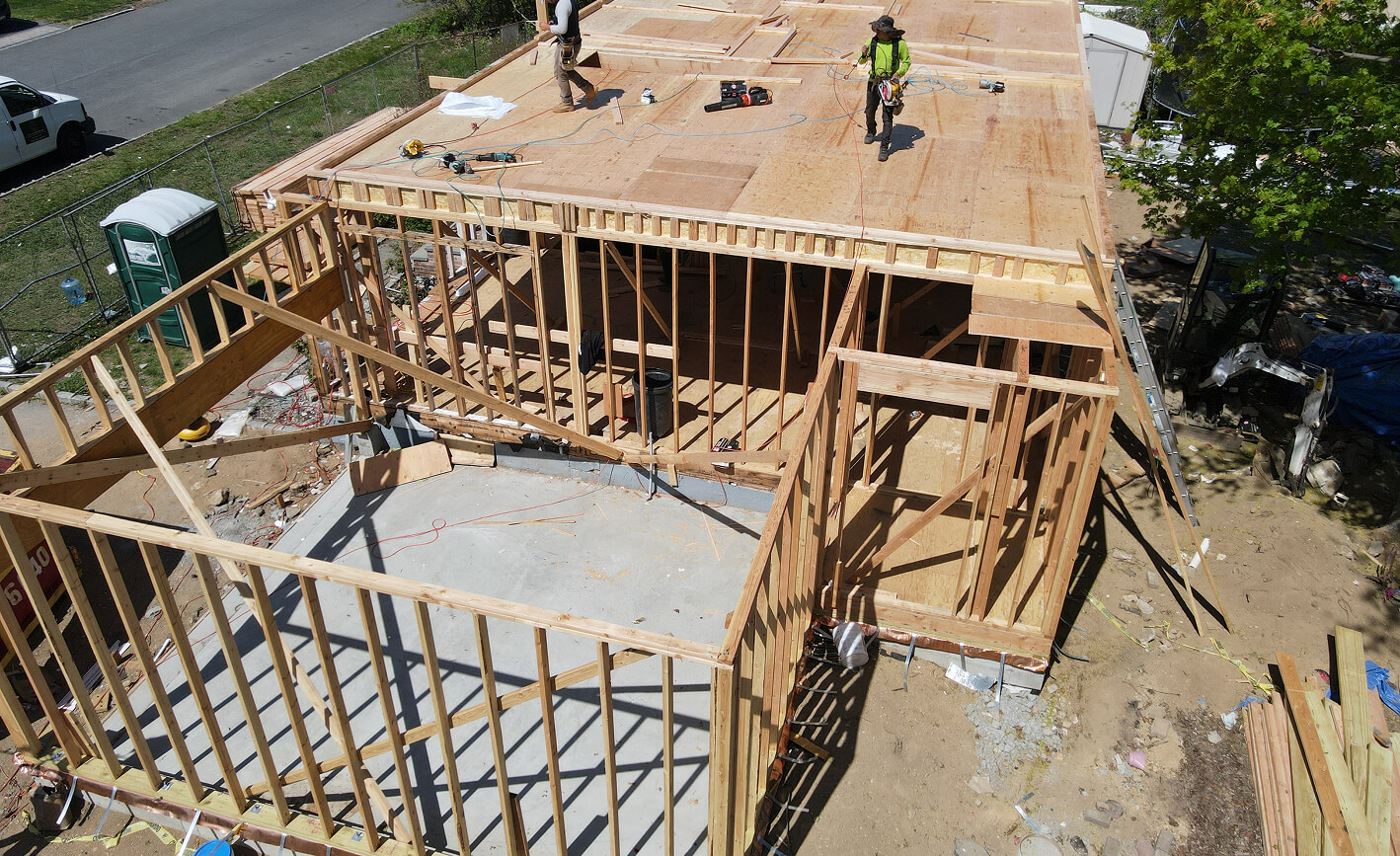
You don’t have to choose between going broke and getting a low-quality build. We have built our reputation on the simple premise of doing things right the first time. We bring decades of hands-on experience to your property, ensuring every nail, wire, and beam meets the highest local codes.
Get Your Honest, No-Surprises Estimate Today
Stop gambling with your home’s equity. If you want a straightforward, honest, and truly affordable approach to your next home expansion, a clear conversation about your specific property is the best place to start.